
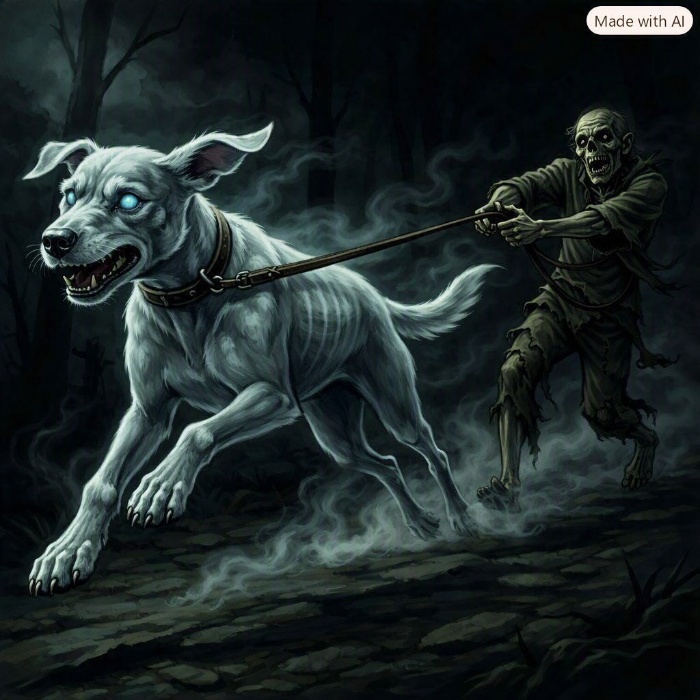
Leash pulling is one of the most common behavioral issues owners face, and it’s rarely a problem that is resolved on its own. From a professional training standpoint, pulling is a predictable behavior rooted in instinct, reinforcement, and communication gaps between dog and handler.
Why Dogs Pull
Dogs pull because it works. When a dog leans into the leash and moves forward, they reach the environment faster — the smells, the sights, the stimulation. Over time, this becomes a self‑rewarding cycle. Additional factors include:
- Natural pace differences: Dogs walk faster than humans.
- Environmental drive: High curiosity and sensory motivation.
- Lack of structured leash training: Many dogs simply haven’t been taught what “walking with a handler” actually means.
- Reinforced habits: Every successful pull teaches the dog that tension equals progress.
How to Correct the Behavior
Effective leash training requires clarity, consistency, and proper timing. The dog must learn that a loose leash is the only way forward. Core principles include:
- Stopping forward motion when the dog pulls: This removes the reward.
- Marking and rewarding a loose leash: Reinforces the correct position and pace.
- Short, structured training walks: Purposeful sessions build reliable habits faster than long, unfocused outings.
- Using a well‑fitted collar: Proper equipment ensures clear communication without relying on restrictive devices.
Correcting pulling is not about overpowering the dog — it’s about teaching them how to walk with you rather than ahead of you.
A qualified trainer accelerates progress by bringing expertise, objectivity, and proven methodology. Professional guidance provides:
- Accurate assessment of the dog’s motivation and behavior patterns.
- A structured training plan tailored to the dog’s temperament and the owner’s handling style.
- Correct timing and technique, which are critical for leash‑based communication.
- Faster, more reliable results through consistent, guided practice.
Leash pulling is fixable, but it requires more than casual effort — it requires a clear system. With professional support, owners gain the skills and confidence needed to create calm, controlled, and enjoyable walks.

CanineCoachAcademy.com
