
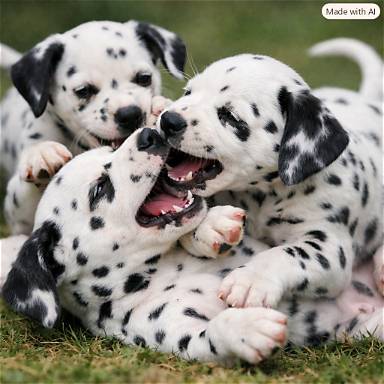
Puppy nipping is one of the most common challenges new dog owners face. It’s normal, expected, and part of canine development — but it’s also a behavior that must be addressed early. Left unchecked, nipping can lead to accidental injuries, especially for young children and older adults who are more vulnerable.
Why Puppies Nip
1. Teething
Between 3–6 months, puppies experience gum discomfort. Chewing and nipping relieve pressure.
2. Play Behavior
In a litter, puppies nip constantly to initiate play and test boundaries. When they join a human household, they often continue the same behavior unless taught otherwise.
3. Exploration
Puppies explore the world with their mouths. It’s their version of hands.
4. Overstimulation
Too much excitement, inconsistent rules, or rough play can trigger nipping as a release of energy.
5. Attention‑Seeking
If nipping consistently gets a reaction — even a negative one — some puppies learn to use it to gain engagement.
Why Puppy Nipping Can Be Harmful
Risks for Older Adults
- Thin, fragile skin tears easily, increasing the risk of bleeding or infection.
- Reduced balance means a sudden nip can cause a fall.
- Medical conditions (blood thinners, diabetes, immune issues) can turn minor wounds into serious complications.
Risks for Young Children
- Children move unpredictably, triggering chase‑and‑nip behavior.
- Kids often squeal or wave hands, escalating the puppy’s excitement.
- A child’s face is at mouth level, increasing the risk of facial injuries.
- Children may unintentionally reinforce nipping by running or reacting dramatically.
Even if the puppy “doesn’t mean it,” the outcome can still be painful and frightening.
How to Stop Puppy Nipping
1. Redirect Immediately
Replace hands, clothes, or skin with an appropriate chew toy. Teach: “Mouth goes here.”
2. End Play When Teeth Touch Skin
Stand up, turn away, and pause for 5–10 seconds. This mimics how puppies learn bite inhibition from littermates.
3. Avoid Rough Play
Wrestling, pushing, or fast hand movements encourage mouthy behavior.
4. Use Short, Frequent Training Sessions
Teach impulse‑control behaviors:
- Sit
- Down
- Leave it
- Touch
A puppy who can think clearly is less likely to nip out of frustration.
5. Manage the Environment
Use baby gates, exercise pens, or leash‑tethering during high‑energy periods.
6. Increase Mental & Physical Enrichment
Add:
- Food puzzles
- Sniffing games
- Short training bursts
- Age‑appropriate exercise
A mentally satisfied puppy is a gentler puppy.
7. Teach Safe Interaction Rules
For both children and older adults:
- No running near the puppy
- No waving hands or grabbing
- Always use toys for play
- Adults supervise every interaction
- Remove the puppy at the first sign of overstimulation
When to Seek Professional Help
If nipping:
- breaks skin
- escalates during handling
- includes growling or stiff posture
- targets vulnerable family members
…it’s time to bring in a certified trainer. Early intervention prevents long‑term issues.
Final Thoughts
Puppy nipping is normal, but it’s not harmless. With clear boundaries, consistent training, and safe management, you can teach your puppy gentle mouth manners and protect the people who matter most. Addressing nipping early builds the foundation for a calm, confident, and trustworthy adult dog.

CanineCoachAcademy.com
